
Written By: Grace Hagan, Certified Value Specialist
A Rose by Any Other Name: Clarifying the Essence of Value Engineering
“What’s in a name? That which we call a rose, by any other word would smell as sweet.” Juliet, pensively perched on her balcony, speaks these famous words in Shakespeare’s Romeo and Juliet. The line underscores the concept that a name itself does not hold intrinsic value; instead, it is the essence of the named subject that matters.
Let’s briefly examine a rose that has many names: value engineering, value analysis, value management… There are nuances between the terms, but they are frequently used interchangeably in the AEC industry. For simplicity’s sake, we will use the term “value engineering” to encapsulate the meaning of these various names.
When some of us smell the rose of value engineering, we inhale deeply and enjoy a sweet scent. We find it beautiful, lovely. Others, however, smell the rose of value engineering—or what they think is value engineering—and they immediately recoil and hold their noses. They recall memories of when their projects were “VE-ed” and their scopes and designs were being threatened.
The issue, more likely than not, is that the people in the second group aren’t smelling the right flower. They are dealing with an imitation or deviation, something that time and outside influences have modified so that it is no longer the same species.
Value engineering, despite being a federal requirement (see OMB Circular No. A-131) and often a state requirement (e.g., Virginia Code § 2.2-1133), is often misunderstood. Many people think they “do” value engineering or have had value engineering “done” to their projects. In many cases, the rose was called value engineering, but it was not true, proper value engineering. Remember, the essence of the thing is more important than the name itself.
Value engineering, when done improperly, can be reduced to a cost-cutting and scope-cutting endeavor. To be clear, that is not the intent of value engineering.
At its true core, value engineering is a systematic process used by a multidisciplinary team to improve the value of a project through the analysis of functions and resources. The purpose of a value engineering workshop is to improve project value, and its approach to value is a holistic one.
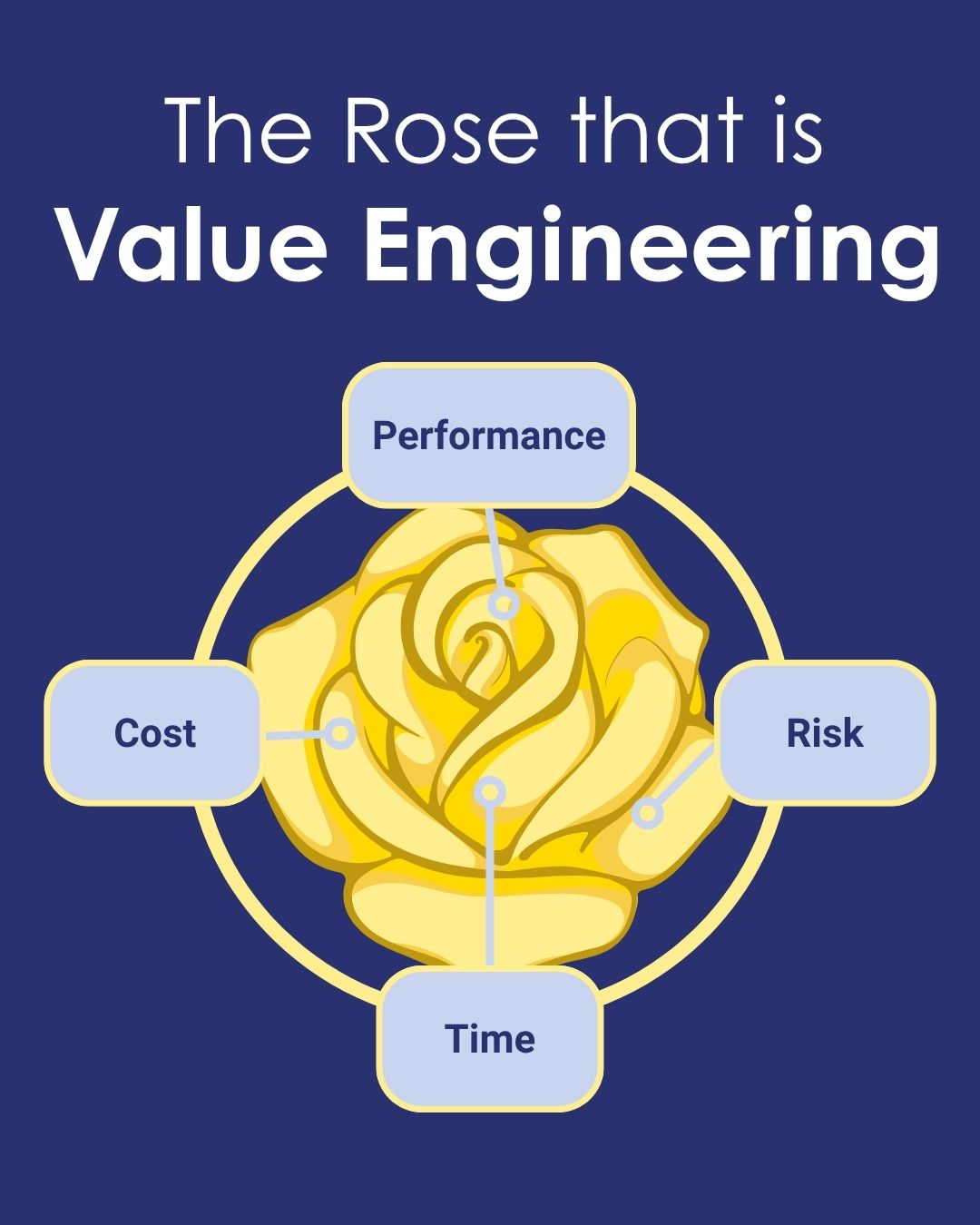
There are four key tenets of value: cost, time, performance, and risk. Yes, cost is certainly a significant component, but so are time, performance, and risk. It is also important to understand that reducing cost does not necessarily improve value. For example, if costs are reduced, the proposed design changes must meet performance requirements and quality expectations. If the proposed changes compromise the project’s necessary functions or fail to satisfy the purpose of the project, then no meaningful value was added.
Now, the idea of project and process improvement is not new, and there are many improvement methodologies out there: Lean, Six Sigma, Kaizen, etc. What makes value engineering distinct is its Function Analysis Phase.
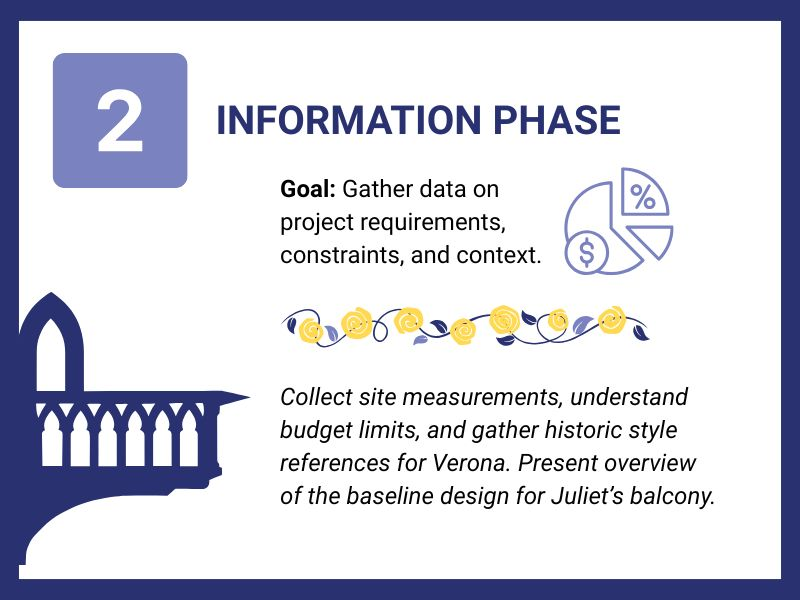
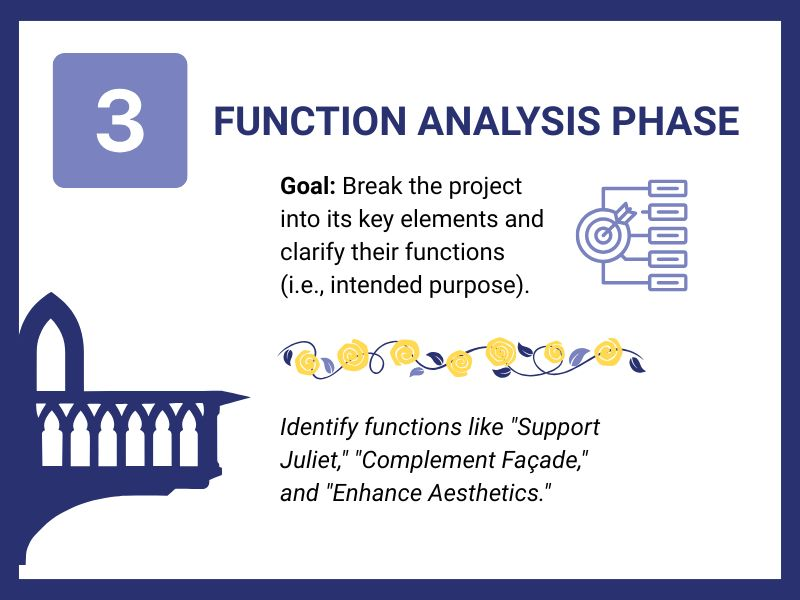
As a quick background, value engineering workshops follow the value methodology job plan established by SAVE International, an international society dedicated to advancing and promoting the value methodology. This job plan has eight phases: Preparation, Information, Function Analysis, Creativity, Evaluation, Development, Presentation, and Implementation. The purpose of the Function Analysis Phase is to analyze the project to understand and clarify its required functions.

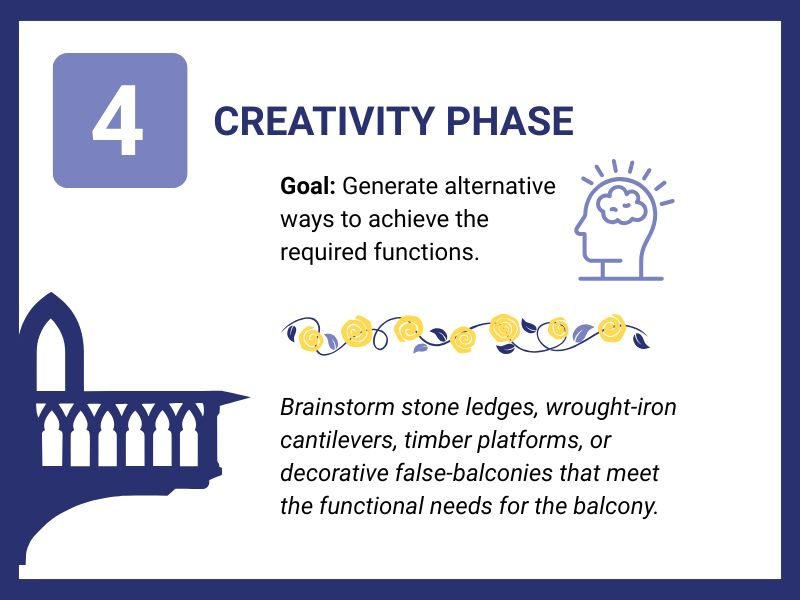
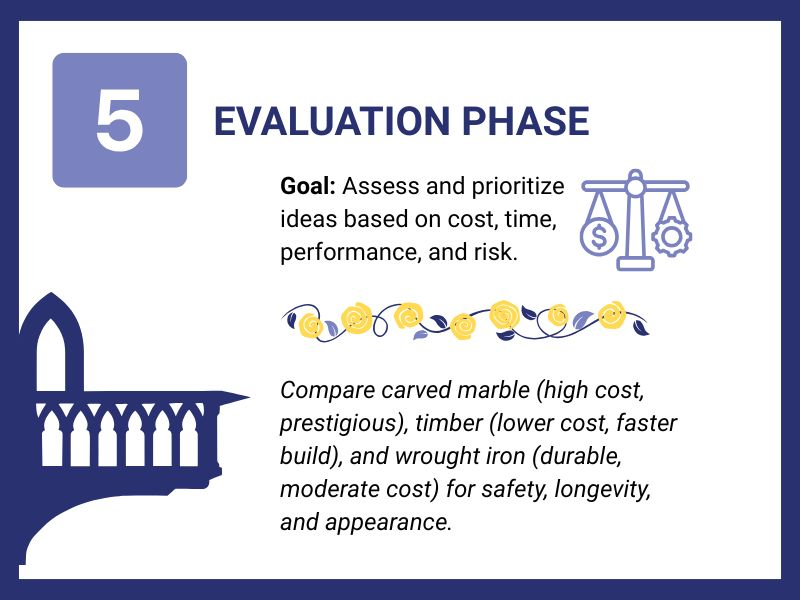
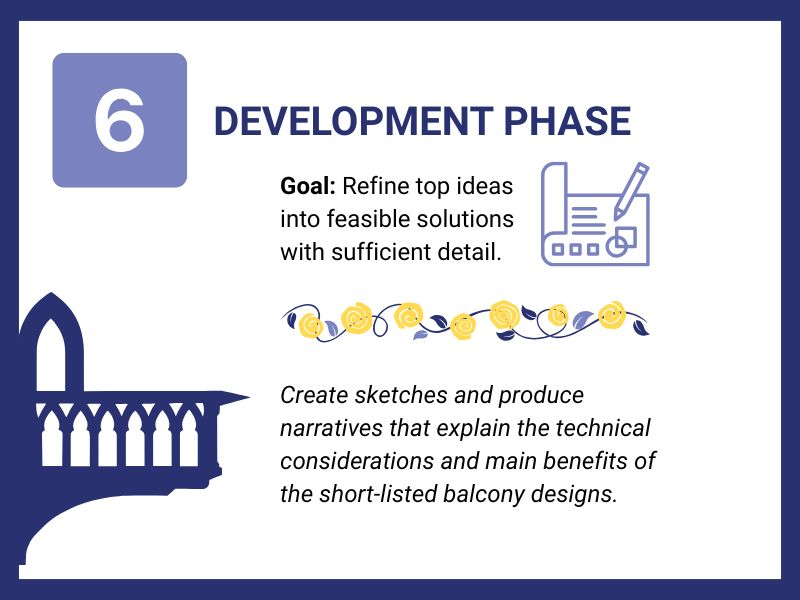
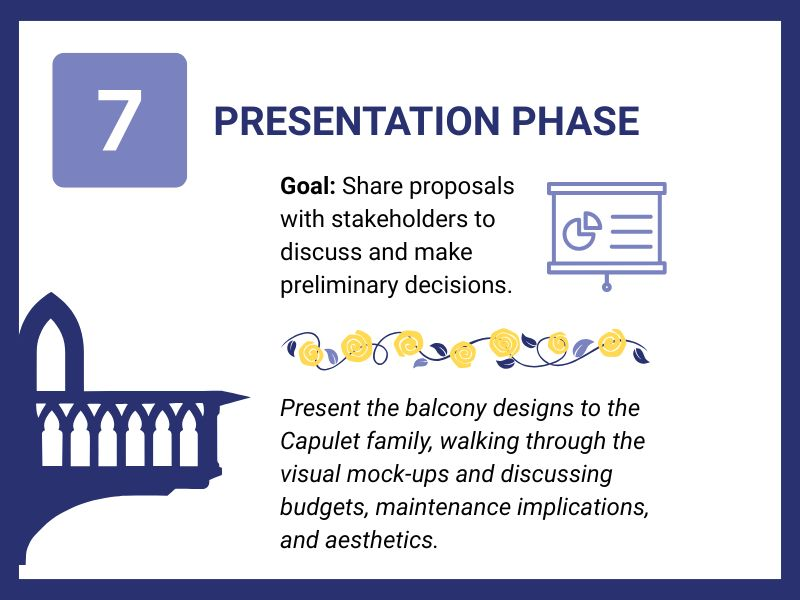
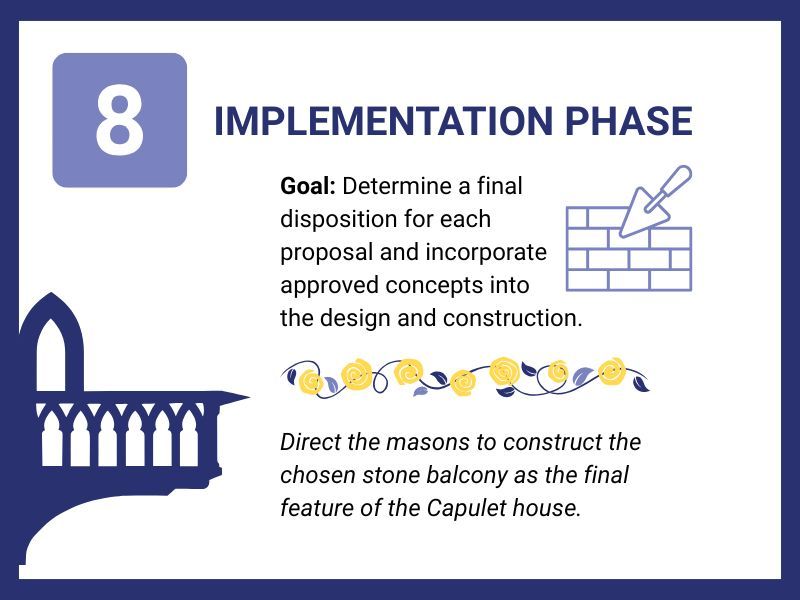
When done well, the Function Analysis Phase strongly positions the team for the Creativity Phase, where they will generate creative ideas for how to achieve the project’s required functions while improving value. Improving value could mean reducing risk, reducing construction duration, improving performance (e.g., reliability, maintainability, etc.), and/or reducing life-cycle costs. In all instances though, the ideas proposed must still achieve the project’s essential functions.
In large part due to its Function Analysis Phase, value engineering has shown itself to be a highly effective problem-solving tool. It provides a helpful framework for a team to better understand and creatively address key issues, constraints, and risks.
Whether the term “value engineering” for you is a sweet-smelling rose, a scentless sunflower, or a foul-smelling sea holly, let’s recalibrate and come back to the true essence of value engineering: a systematic process to improve the value of a project through the analysis of functions, where value is an interconnected relationship between cost, time, performance, and risk.