
By: Jonathan Hutchinson, AIA, NCARB | Lead Facility Assessor
Prioritizing What Matters: A Targeted Approach to K-12 Facility Needs
School districts and independent schools nationwide face growing facility needs while balancing competing funding priorities, staffing capacity, and tight implementation timelines. Aging building systems, changing enrollment, rising construction costs, and years of deferred maintenance can quickly compound these challenges. Without a clear understanding of current conditions and priorities, districts and institutions risk directing resources toward the most visible problems rather than the investments that will have the greatest impact.
The challenge is not simply identifying facility deficiencies. It is determining which needs matter most and developing a realistic plan to address them.
Axias has completed condition assessments for school districts of vastly different sizes, from a high-level assessment of 368 schools totaling approximately 38 million square feet for Clark County School District in Nevada to a detailed assessment of ten schools totaling approximately 540,000 square feet for Transylvania County Schools in North Carolina. We also work regularly with independent and private schools on their individual campuses. Although these facilities serve the same fundamental mission, the needs, resources, operating environments, and capital-planning priorities differ significantly.
An effective assessment should combine a consistent, methodical process with an understanding of each campus or district’s local conditions. Experienced assessors must look beyond individual deficiencies to identify broader trends, evaluate operational realities, and provide guidance district leaders can actually use to make informed decisions.
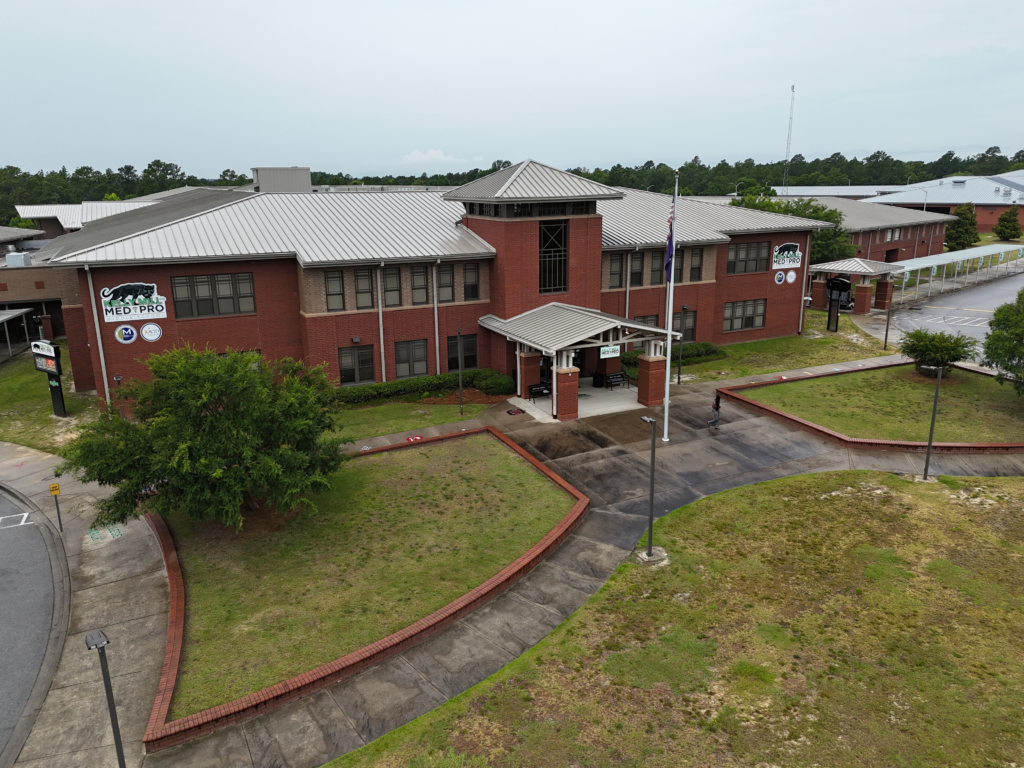
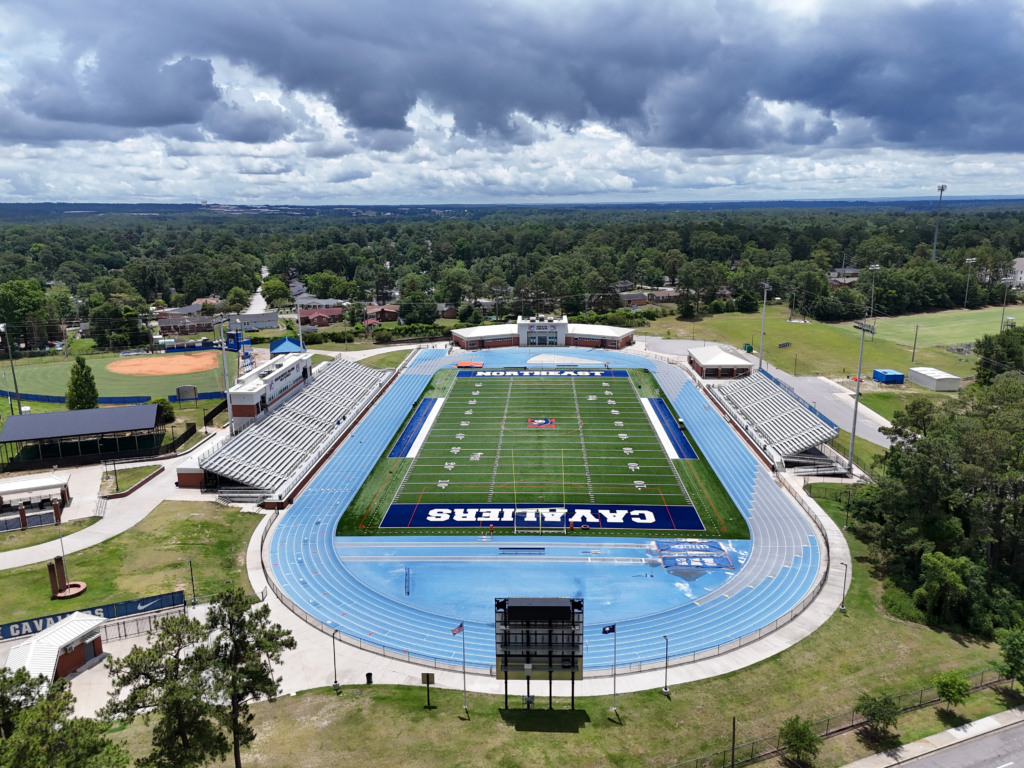
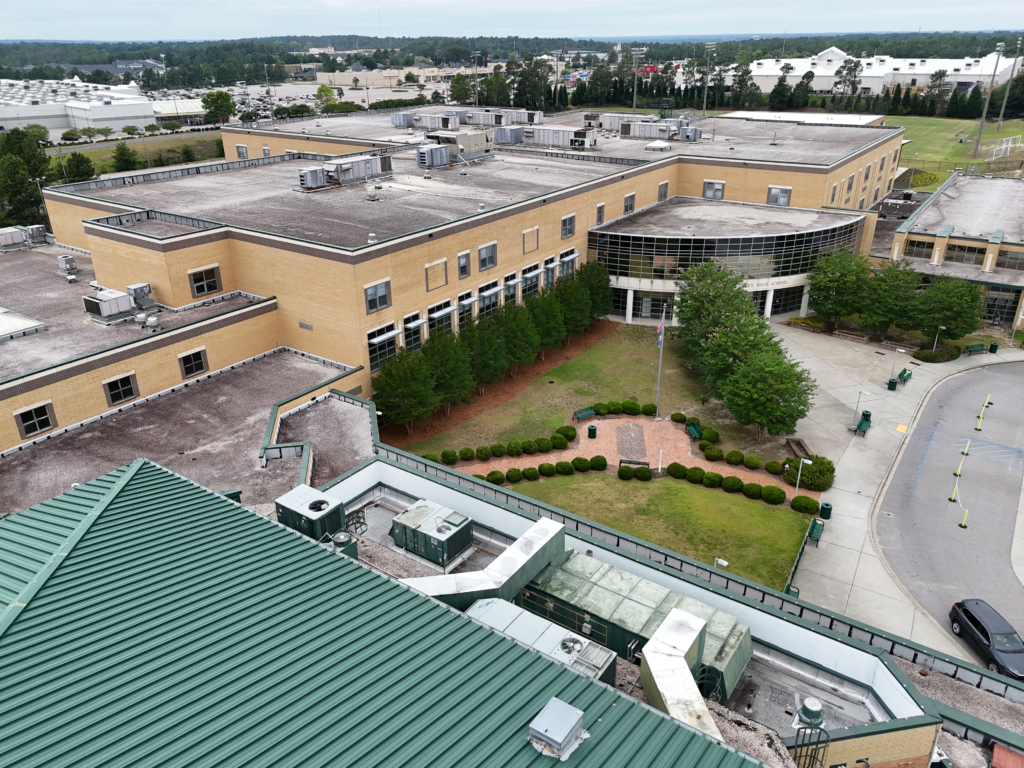
Axias is supporting a Facilities Needs Assessment for Richland School District Two in South Carolina totaling over five million square feet across 47 facilities, including schools, support buildings, and athletic facilities.
Maintenance Backlogs Need Meaningful Prioritization
Accumulated deferred maintenance can turn manageable repairs into major capital needs. Yet many districts and administrators struggle to determine which type and depth of assessment will provide the most value. This can lead districts to adopt another district’s assessment model without first determining whether it fits their facilities, staffing, data, and funding structure.
A useful facility condition assessment does more than compare the age of a building component with its statistical service life. Applying standard replacement cycles to everything from carpet tile to rooftop mechanical equipment may generate hundreds or thousands of recommended actions, but it does not necessarily tell district leaders what should happen first.
Experienced assessors evaluate observed conditions, system performance, maintenance history, staff input, and each asset’s operational importance. They identify recurring deficiencies across similar facilities, distinguish routine maintenance from capital renewal, and consider whether targeted repairs or life-extension measures could defer wholesale replacement.
This analysis creates a more realistic picture of facility needs. It also prevents treating every deficiency as equally urgent, which can create an overwhelming backlog that is difficult to fund or execute.
Recommendations Must Be Supported by Reliable Costs
Prioritization depends not only on understanding what needs to be done, but also on knowing what that work is likely to cost.
Condition assessment recommendations must be supported by reasonable, market-based cost estimates if they are going to become executable construction projects. Inaccurate or overly generalized costs can distort priorities, undermine capital plans, and create funding gaps when projects advance into design and procurement.
Axias’ cost-estimating expertise is integral to our condition assessment process. Our assessors and estimators work together to develop costs that reflect the recommended scope, facility type, location, escalation, phasing, and current construction-market conditions. We also consider the related work required to complete a project: demolition, temporary services, hazardous-material remediation, access constraints, and supporting architectural or MEP improvements, rather than pricing an isolated component in a vacuum.
This combination of condition assessment and cost estimating gives districts and institutions a stronger foundation for converting identified needs into funded, achievable projects.
Condition Assessments Should Support Action
Collecting data is an important part of an assessment, but it is not the goal. The real value lies in turning current, reliable, and methodical data collection into an actionable plan.
Recommendations should reflect how a district or campus can realistically package, fund, and implement the work. For example, assigning $25 million in mechanical equipment replacements to a single year may accurately reflect anticipated system lifecycles, but it does not account for procurement capacity, available contractors, school calendars, temporary conditioning requirements, or the district’s ability to manage numerous concurrent projects.
A practical assessment organizes needs into manageable priorities and considers opportunities to combine related work. A roof replacement may need to be coordinated with rooftop equipment, solar infrastructure, drainage improvements, or hazardous-material remediation. Interior renovations may be most effectively completed alongside accessibility, life-safety, or building-system upgrades. Considering these relationships early helps districts and administrators use available capital more efficiently and reduce disruption to students and staff.
Facility Information Must Remain Current
District priorities can change quickly. Enrollment shifts, emergency repairs, equipment failures, construction escalation, funding availability, and changes in educational programs can turn a previously manageable deficiency into an urgent need or make a planned investment less appropriate.
A comprehensive facility master plan completed every five or ten years provides valuable long-term direction, but it may not remain reliable when conditions change rapidly. Periodic updates and targeted assessments allow districts and independent schools to keep information current, track the progression of known deficiencies, and adjust priorities as circumstances evolve.
Current condition data also strengthens infrastructure funding requests. Clearly documented deficiencies, credible cost projections, anticipated renewal needs, and a defensible prioritization methodology help administrators communicate their needs to school boards, government agencies, funding partners/trustees, and community stakeholders.
There Is No One-Size-Fits-All Solution
District/campus size, building age, geographic location, staffing, funding structure, enrollment, and the quality of existing facility data all influence what type of assessment will provide the greatest benefit.
Large districts may have the resources to conduct recurring facility master plans, condition assessments, capital improvement plans, and operational studies. Smaller districts and independent schools may need to focus limited resources on their most pressing buildings or systems. Targeted assessments, phased programs, or periodic facility-health updates can provide these districts and owners with meaningful guidance without requiring an extensive districtwide study every few years.
The right approach begins with listening. Consultants must understand how a district or school currently maintains its facilities, what information it already has, how it makes funding decisions, and what obstacles may prevent recommended work from moving forward.
Axias Lead Facility Assessor Jonathan Hutchinson has seen these challenges from both the design and assessment perspectives:
During more than 30 years working in the architecture, design, and construction of K–12 facilities, I have assessed schools and facility operations for districts ranging from small rural systems to some of the largest districts in the country. Their resources and challenges vary, but every district must make difficult decisions because no district can address every need at once. Our responsibility is to give leaders reliable information, meaningful priorities, and realistic costs so they can make those decisions with confidence.
Axias works with K–12 leaders to develop condition assessment programs tailored to each institution and district’s needs. Whether serving as a subconsultant to an architecture and engineering team on a broader facilities master plan or working directly with a school district/campus on a dedicated condition assessment, our experienced assessors identify building deficiencies, consider maintenance and operational realities, and collaborate with our cost estimators to develop credible budgets for recommended improvements.
The result is more than a list of deficiencies. It is a practical roadmap that helps districts and administrators address their existing maintenance backlog, anticipate future renewal needs, allocate funding effectively, and improve the facilities that support students, educators, and their communities.